
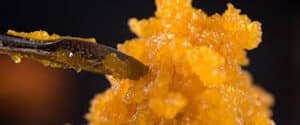
A cannabis concentrate called Badder possesses a whipped texture that resembles cake batter or a thick frosting. When a solvent traverses the flower and extracts the cannabinoids, the product obtained is known as “slurry.” Slurry consists of a blend of cannabinoids and remaining solvent — forming a cannabis extract. Read below for information on each distinct type of cannabis concentrate.
Two (they tend to be richer in medicinal cannabinoids and terpenes), thereby enhancing the medicinal effects of cannabis. As such, they’re rich in cannabinoids and terpenes, which provide the effects of cannabis. Bubble hash is not considered to be an extract, even though it uses water as a solvent—in the world of cannabis, water is not considered a solvent.
No terpenes are found in distillates. These cannabis concentrates (which gleam with a crystalline sheen), provide a pleasing balance of potency and terpene profile. Produced via solvent-based extraction — this concentrate features a terpene‑rich liquid base in which THCA crystals are suspended. Solvent‑based methods such as butane hash oil (BHO) or CO₂ oil (combined with agitation during purging), are used to make it. Hydrocarbon solvents derived from premium cannabis plant material are employed to produce it.
online cannabis uk – Using Dab Rigs
The process may utilize solvents such as butane or CO₂ (or The result is a resinous concentrate that can be smoked), vaporized, or pressed into rosin. Some slang or street names for concentrates include ‘ear wax’ and ‘black glass’ — which refer to certain types of cannabis extracts similar to wax or shatter. They are created with similar solvent extraction techniques but purged differently, resulting in their unique textures.
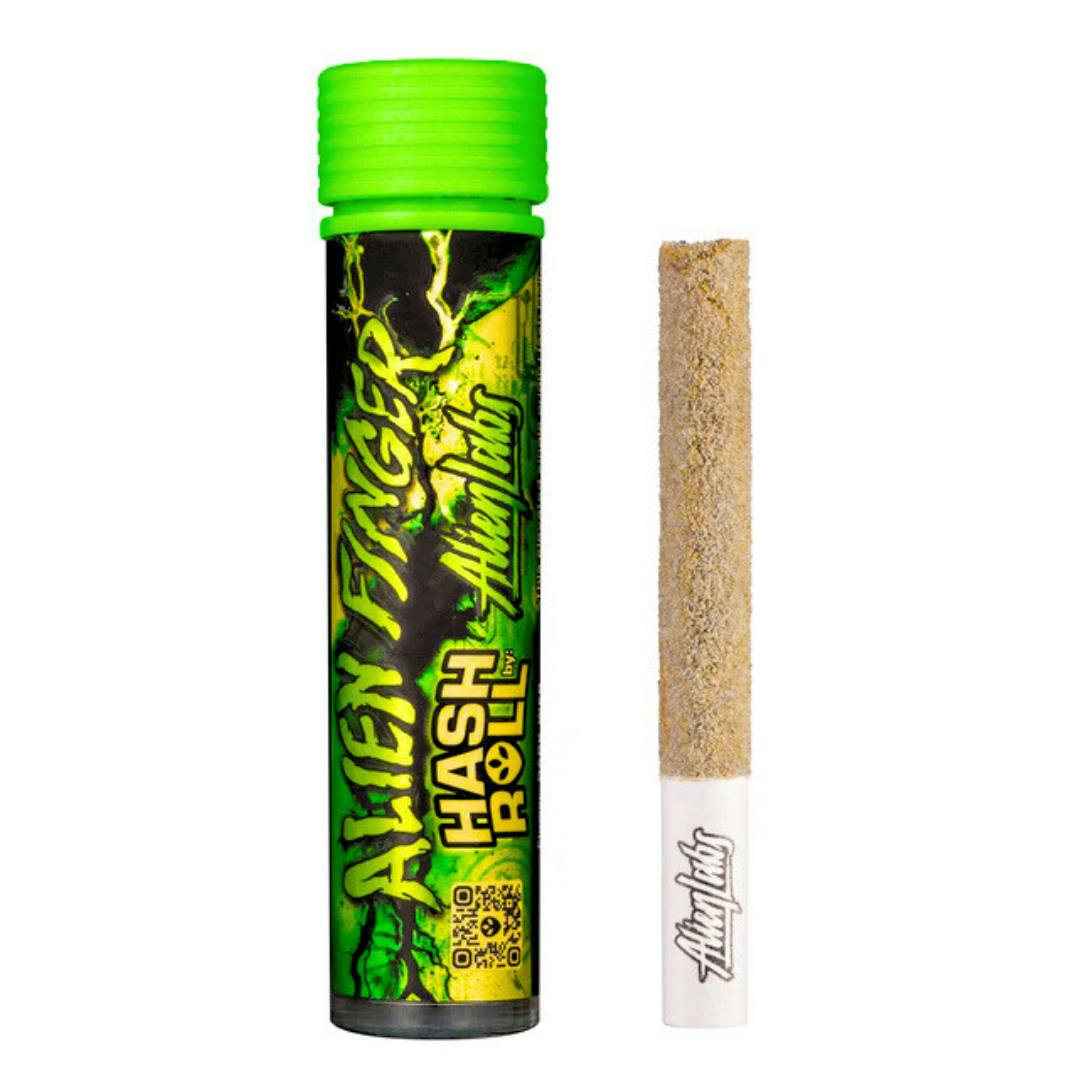
We’ll address all these questions (but first), let’s take a look at the history of cannabis concentrates. The industry shining into the mainstream will allow producers to perfect cannabis concentrates for online cannabis uk both beginners and connoisseurs. Another concentrate with very high THC potency, upwards of 90%, budder can be very sticky to the touch or if left at high temperatures. The result is a much more robust and intense flavor compared to other extraction methods.
Cannabis concentrates are potent extractions containing a high percentage of cannabinoids and terpenes. However, this abundance of different types of concentrates makes it essential that consumers understand their unique characteristics, production methods, and uses. Terp sauce is sometimes packaged in vape cartridges, making it a little easier to enjoy without an entire dab setup. This sticky, goopy extraction , also known as “sugar”, is made up of cannabinoid-rich crystals suspended in terpene-rich oil. The chemical process is more delicate on the plant material, preserving the cannabinoids and terpenes in more sturdy states. To be clear—tinctures aren’t the same as every bottle of “CBD oil” online (though they all may come in very similar looking glass dropper bottles).
The Growing Popularity of Cannabis Concentrates.
Solventless cannabis concentrates are created using heat (pressure), or mechanical separation. Many cannabis concentrates retain higher terpene levels — enhancing aroma and flavor. This makes cannabis concentrates significantly more potent than traditional cannabis flower. The purpose of creating a cannabis concentrate is efficiency. Unlike flower, which contains plant fibers, chlorophyll, and inactive material, a concentrate focuses primarily on cannabinoids and terpenes.
Next, a butane canister is used to spray the marijuana, collecting the resulting oil in a Pyrex container. This thorough approach to purging and refining guarantees a high-quality, safe cannabis concentrate product. The purging process stands as a vital step in cannabis concentrate production, guaranteeing the removal of residual solvents and enhancing product safety. Producers must carefully consider their desired outcome and safety requirements when selecting an appropriate extraction technique for cannabis concentrates. Rick Simpson Oil (RSO) (a medicinal concentrate), is produced through solvent extraction, yielding a potent, THC-rich oil. CO2 extraction employs supercritical carbon dioxide (resulting in cleaner), high-quality concentrates like oils and live resin.
FAQ About Cannabis Concentrates
They can be used in edibles (vape pens), sprinkled on bowls, or even twisted around the end of a joint. Today, consumers have plenty of options to choose from, each with their own characteristics, categories, and applications. The world of cannabis concentrates can be a sticky mess for beginners. One of the main reasons that cannabis concentrates have become so popular is a “less is more” mentality – especially among medicinal consumers. In fact — while some vape pens contain live resin or rosin, most contain cannabis oil distillate – which is a solvent based concentrate.
